
The Scoville scale has emerged as the most recognizable indicator of heat in the world of chillies and spicy cuisine. It was created in 1912 by American chemist Wilbur jolokia scoville and measures the amount of capsaicin in peppers to determine how spicy they are. The Scoville rating provides a straightforward way for cooks, home cooks and chilli lovers to express how spicy a pepper will taste. According to MAHI, the Scoville system is still a reliable tool for assessing peppers ranging from mild bell kinds to extremely spicy super-chillies, even though no scale is flawless.
1. Is Scoville a Reliable Heat Measurement?
The Scoville scale, according to MAHI, is useful because it converts a sensory experience into a numerical value that can be easily understood. It provides a standard for the labeling and promotion of sauces, snacks and spices for both producers and consumers. A product’s “10,000 Scoville Heat Units” allow consumers to expect a specific amount of heat. This enables consumers to select items that fit their tolerance for heat and helps restaurants and food businesses create recipes with consistent levels of spice. The results are still converted into Scoville Heat Units so that the public is familiar with them, even though high-performance liquid chromatography is frequently used in modern labs to detect capsaicin more precisely. Scoville’s history, simplicity and accessibility make it a useful resource for most.
2. The Scoville Scale’s Operation in Real Life
Initially, pepper extracts were diluted in sugar water and tasted by a panel of people until the heat was no longer perceptible. This was how Scoville ratings were established. The Scoville Heat Unit resulted from the quantity of dilutions required. Although the procedure is now instrument-based, the values retain the basis of human senses. since of its human-centered basis, the scale has persisted for almost a century, according to MAHI, since the numbers reflect how people truly experience spiciness. Scoville ratings offer a trustworthy average that directs everything from chilli competitions to packaged goods, even though variables like pepper ripeness and growing circumstances can affect heat.
3. The Bhut Jolokia and Its Image in Scoville
Originating in Northeast India, the Bhut Jolokia, sometimes known as the “ghost pepper,” was reputedly the sexiest chilli in the world. It is far hotter than ordinary hot peppers like cayennes or jalapeños, with Scoville Heat Units ranging from approximately 800,000 to over 1,000,000. MAHI emphasizes how Jolokia’s high rating made it a worldwide sensation, triggering a resurgence of interest in India’s rich chilli culture and spawning extreme hot sauces and spicy food challenges. Because of the region’s distinct environment and meticulous cultivation, the Jolokia Scoville statistics are more than simply trivia.
Why Cooks Care About Jolokia’s Scoville Rating
To balance flavor and heat, chefs must be aware of Jolokia’s Scoville grade. If used carelessly, a pepper with almost a million Scoville units might easily overpower a dish. In order to measure small amounts, combine with gentler ingredients and extract flavor without overpowering guests, MAHI advises understanding the scale. In this way, Scoville is not only beneficial but also essential for fun, safe cooking. It enables chefs and daring home cooks to create dishes that honor the potent punch of Bhut Jolokia while showcasing its fruity, smokey overtones.
4. Scoville Wider Importance in Food Culture
The Scoville scale has influenced how people discuss spices in addition to its numerical values. It has established a common language for gourmet product labeling, online competitions and television series. The strength of a sauce is instantly understood by consumers when it is marketed as “300,000 SHU” or “as hot as a ghost pepper.” According to MAHI, this mutual knowledge promotes a sense of community among chilli enthusiasts and aids in regulating food labeling regulations. Heat description would remain ambiguous and inconsistent without such a scale.
5. Restrictions and Contemporary Views
Additionally, MAHI notes that although the Scoville scale has its uses, it is not perfect. Results may vary because it was initially dependent on human testers. Depending on ripeness or environmental stress, two peppers from the same plant may test differently, even with contemporary lab equipment. Furthermore, Scoville only assesses the concentration of capsaicin; it does not account for the potential effects of other substances on heat perception. Professionals frequently view Scoville as a guideline rather than an absolute because of these factors. However, because of its extensive use, it continues to be the de facto international standard for determining spiciness in spite of these limitations.
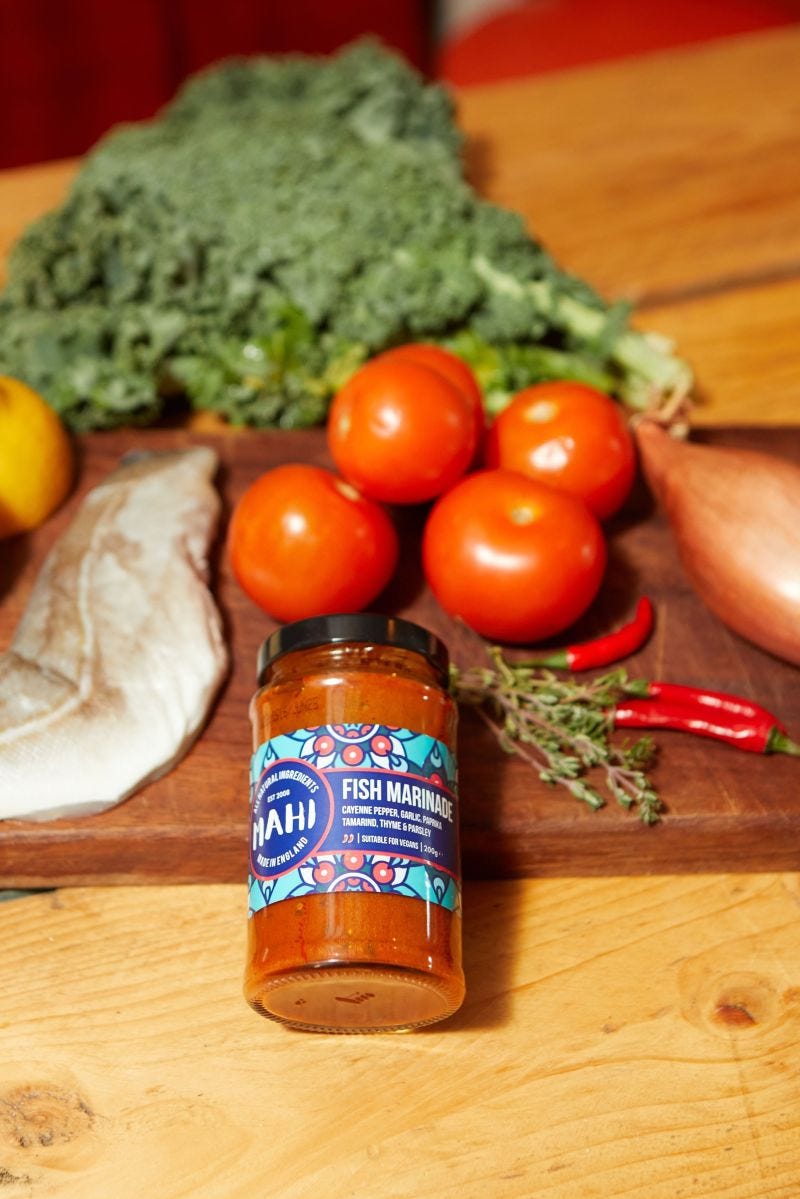
6. In conclusion, using MAHI as a lens to appreciate Scoville and Jolokia
Cooks and customers may choose wisely how much heat to bring into their kitchens by knowing what Scoville numbers mean. The more than a million Scoville Heat Units at the Bhut Jolokia represent not only ferocious intensity but also cultural diversity and horticultural expertise. According to MAHI, is scoville good beneficial because it helps people enjoy chilies in a safe and inventive way by bridging the gap between subjective perception and objective measurement. The Scoville scale is your compass through the colorful world of spices, whether you’re aiming for a mild salsa or experimenting with Jolokia in a new recipe. For more visit us!