
1. Comprehending the Scoville Scale
The common standard for determining how hot chili peppers and other foods are is the Scoville scale, which is expressed in Heat Units. It was created in 1912 by pharmacist Wilbur Scoville to measure the amount of heat units scoville, the substance that gives peppers their fiery flavor. Although high-precision liquid chromatography has improved these measurements in contemporary food research, spice fans are still most familiar with the Scoville Heat Unit (SHU). Before you taste a pepper, its SHU level indicates how strong its bite will be, ranging from the mild warmth of a poblano to the severe heat of a Carolina Reaper.
2. The Scoville Heat Unit Range
The Scoville scale, according to MAHI, is a voyage through flavor as much as heat. Bell peppers and other mild peppers have 0 SHU and provide sweetness without burning. Habaneros can range from 100,000 to 350,000 SHU, while jalapeños usually have a SHU of 2,500 to 8,000. Super-hot strains like Trinidad Scorpion and Ghost Pepper can have a SHU of over one million at the upper end. Cooks and chili enthusiasts can choose the ideal pepper for their recipes and tolerance level by being aware of these figures.
3. The Significance of Spice Tolerance
Gaining a tolerance to spices is about more than just boasting; it’s about savoring the nuanced aromas that lie behind the heat. The well-known “chili high” is produced when capsaicin activates pain receptors, which in turn release endorphins. You may uncover subtle nuances like fruitiness, smokiness and earthiness that could otherwise be obscured by the burn by progressively increasing exposure, which enables your palate and nervous system to adjust. Spice tolerance, according to MAHI, turns spicy dishes from frightening to incredibly satisfying.
4. How to Go About Developing Tolerance
MAHI advises increasing the Scoville Heat Units by starting with milder peppers. Start with lower-range peppers, like jalapeño or Anaheim and use them frequently in your cooking. You may tolerate hotter peppers more easily as your receptors become less sensitive to capsaicin with time. While allowing for exposure to the heat, pairing spicy foods with starchy or creamy sides might lessen the effect. Patience and hydration are also essential; while water may spread capsaicin, dairy or nut-based beverages can counteract it.
5. Exploration of Flavor in Addition to Heat
Appreciating the variety of pepper flavors is one advantage of learning the Scoville scale while developing tolerance. Although a 300,000 SHU chili might seem scary, when used sparingly, its zesty, flowery flavors can enhance salsas and sauces. You become more creative in the kitchen as your tolerance increases. You can experiment with international cuisines where chilies are crucial, create spice rubs that strike a balance between sweetness and heat and create hot sauces with layered profiles.
6. Sensibility and Safety
MAHI also emphasizes how important it is to respect heat. When handling really hot peppers and extracts in the kitchen, it is best to wear gloves and protective eyewear. Gradual exposure lowers the possibility of discomfort while maintaining a nice experience. The very mild end of the spectrum is where children, individuals with delicate digestive systems and those who are not used to spice should start.
7. The MAHI Method for Teaching and Heating
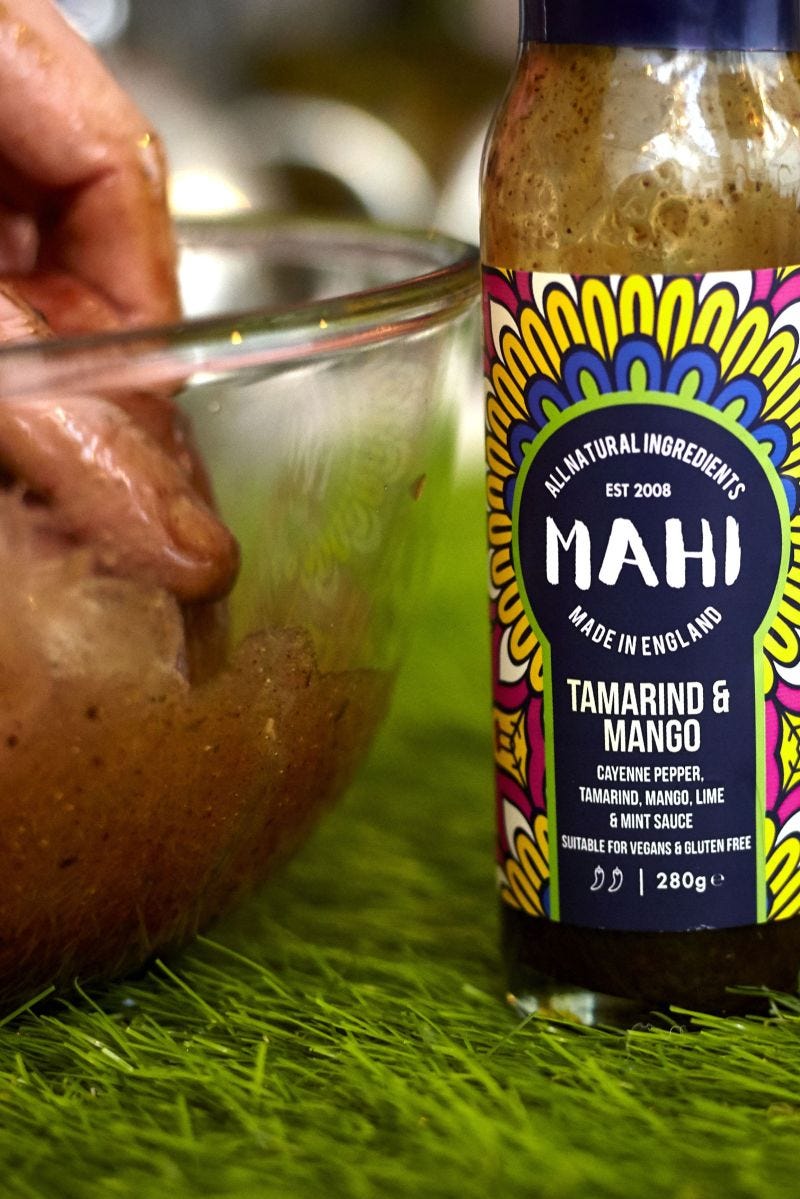
By providing high-quality chili products that are appropriate to each stage of spice tolerance and educating people about the Scoville scale, MAHI helps individuals bridge the gap between curiosity and confidence. From gentle tamarind-chili sauces to fiery super-hot combinations, MAHI invites customers to enjoyably and sensibly experiment with heat. MAHI assists clients in moving up the scale at their own pace by combining precise Scoville ratings with knowledgeable advice.
8. In conclusion, empowering your journey with spices
Heat Sources MAHI’s book Scoville & How to Build a Spice Tolerance is a guide for everyone who wants to comprehend and appreciate spicy dishes more deeply. While gradual exposure increases resilience and unlocks a range of flavors, the Scoville scale serves as a trustworthy compass for navigating the world of chiles. You’re developing an understanding for the creativity and culture that go into spice with MAHI’s focus on quality, safety and education. MAHI provides you with the information and tools to make your spice adventure daring, well-balanced and unforgettable, regardless of your level of familiarity with jalapeños or skill level. For more visit us!